The Intersection of Active Listening and Policy Change

In 2009, Senator Arlen Specter of Pennsylvania held a town hall on healthcare reform that quickly spiraled into chaos. Constituents were shouting. The room was hostile. Specter kept interrupting to defend his position, which made things worse with every exchange.
How Past Polarization Shaped Current Politics

On the evening of July 2, 1964, President Lyndon B. Johnson signed the Civil Rights Act into law. Instead of celebrating, he retreated to his bedroom looking deeply troubled. His special assistant Bill Moyers found him there and asked what was wrong.
6 Advanced Communication Strategies for Political Engagement That Actually Reduce Polarization
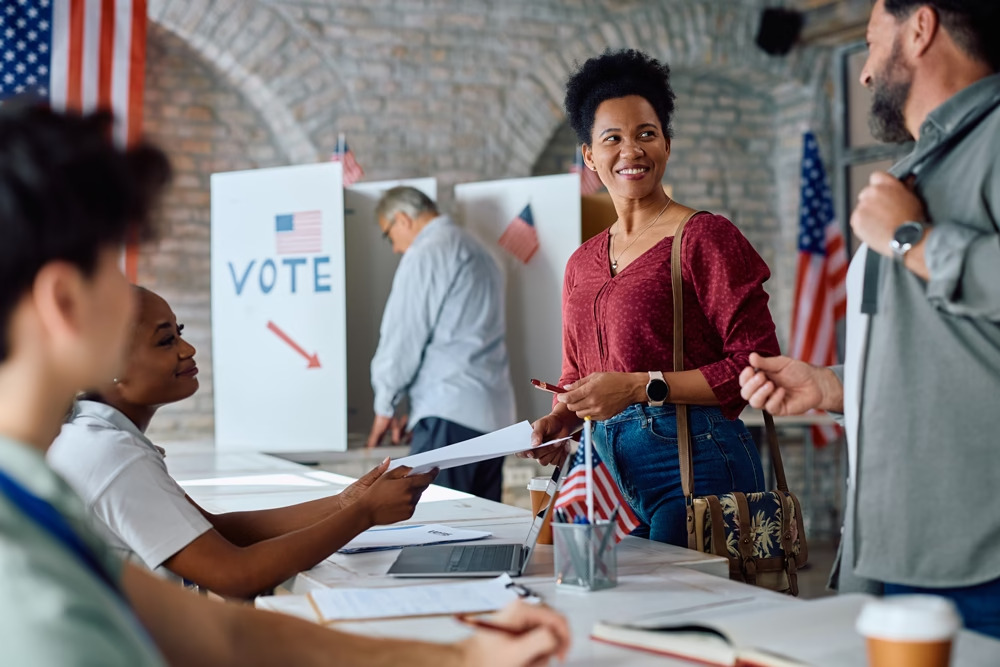
When Senator Chris Murphy walked into a hostile town hall on gun control, he didn’t open with statistics or legislation — he asked the room, “Tell me about someone you love who you want to protect.” Within minutes, a man who came to confront him was talking about his daughter, illustrating how advanced communication strategies can transform political confrontation into genuine dialogue.
6 Community Initiatives That Are Actually Bridging Political Polarization
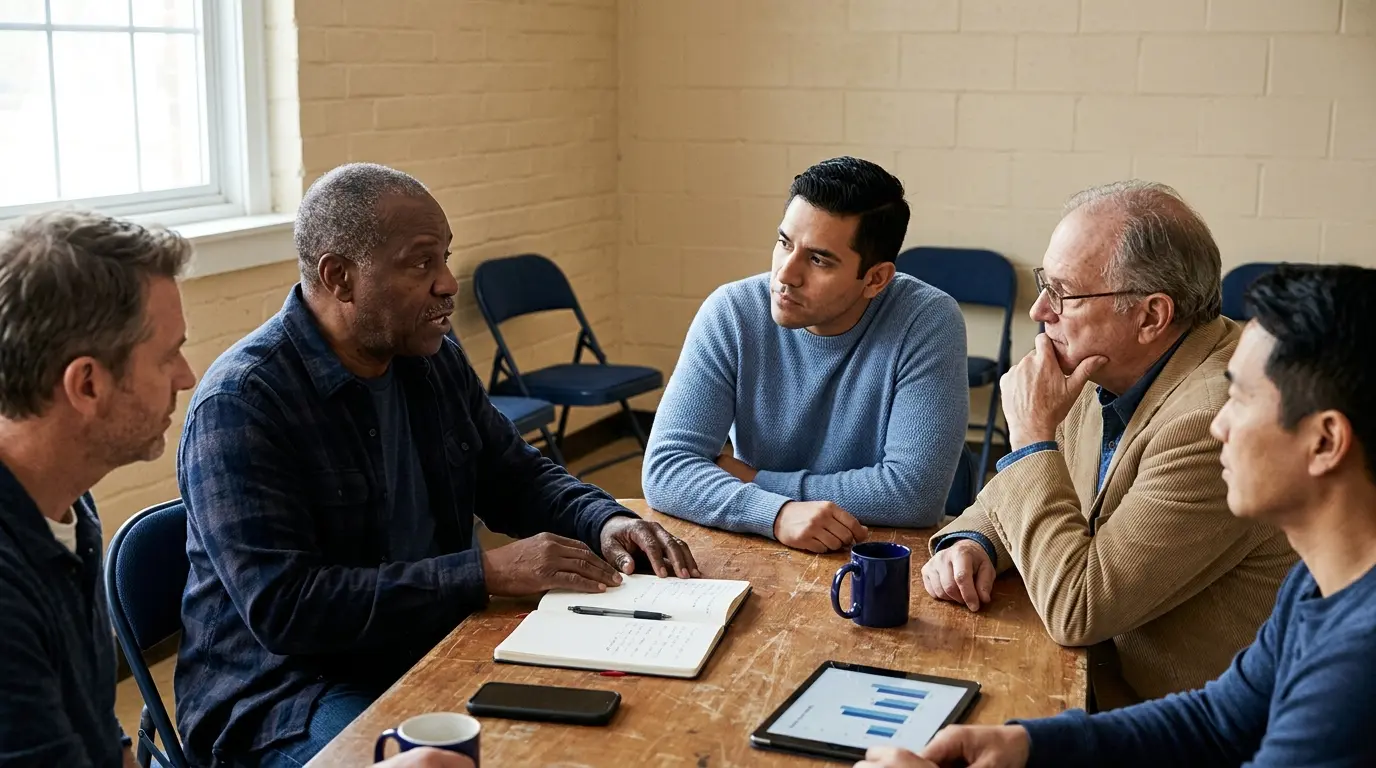
When a community organizer in Anaheim Hills asked a skeptical retiree how polarization had touched his life, he ended up talking for thirty minutes about a family member he hadn’t spoken to since 2020, and asked her to come back. Across America, six community initiatives are proving that genuine listening, not political persuasion, is the most powerful tool for bridging the divide.