The Intersection of Active Listening and Policy Change

In 2009, Senator Arlen Specter of Pennsylvania held a town hall on healthcare reform that quickly spiraled into chaos. Constituents were shouting. The room was hostile. Specter kept interrupting to defend his position, which made things worse with every exchange.
How Past Polarization Shaped Current Politics

On the evening of July 2, 1964, President Lyndon B. Johnson signed the Civil Rights Act into law. Instead of celebrating, he retreated to his bedroom looking deeply troubled. His special assistant Bill Moyers found him there and asked what was wrong.
Empathy in Action: Bridging Polarization through Community Initiatives

On a cloudy fall afternoon in Anaheim Hills, California, a community organizer named Lorena stood on the porch of a skeptical retiree who had warily opened his door. Instead of launching into a political pitch, she asked one question: “How has all this polarization touched your life?”
5 Ways Active Listening Directly Shapes Policy Change

When Senator Arlen Specter held a healthcare town hall in 2009, the room devolved into shouting. His counterpart, Senator Michael Bennet, faced the same polarized climate — but arrived with one simple rule: listen first, speak second.
5 Strategies to Integrate Media Literacy into Political Discourse
A 47-second clip of a congressman dismissing factory workers spread to 30,000 shares in 48 hours, but it was cut from a 40-minute interview where he had spent 20 minutes advocating for those same workers. In today’s algorithmically driven media landscape, the ability to evaluate political content before reacting to it isn’t just a useful skill, it’s the foundation of informed democratic participation.
5 Historical Turning Points That Explain How Past Polarization Shaped Current Politics

On the night he signed the Civil Rights Act, LBJ retreated to his bedroom and told an aide, “I think we just delivered the South to the Republican Party for a long time to come.” That single prediction set off a chain of events, from the Gingrich Revolution to the rise of social media, that built today’s record political divide one turning point at a time.
6 Advanced Communication Strategies for Political Engagement That Actually Reduce Polarization
When Senator Chris Murphy walked into a hostile town hall on gun control, he didn’t open with statistics or legislation — he asked the room, “Tell me about someone you love who you want to protect.” Within minutes, a man who came to confront him was talking about his daughter, illustrating how advanced communication strategies can transform political confrontation into genuine dialogue.
6 Community Initiatives That Are Actually Bridging Political Polarization
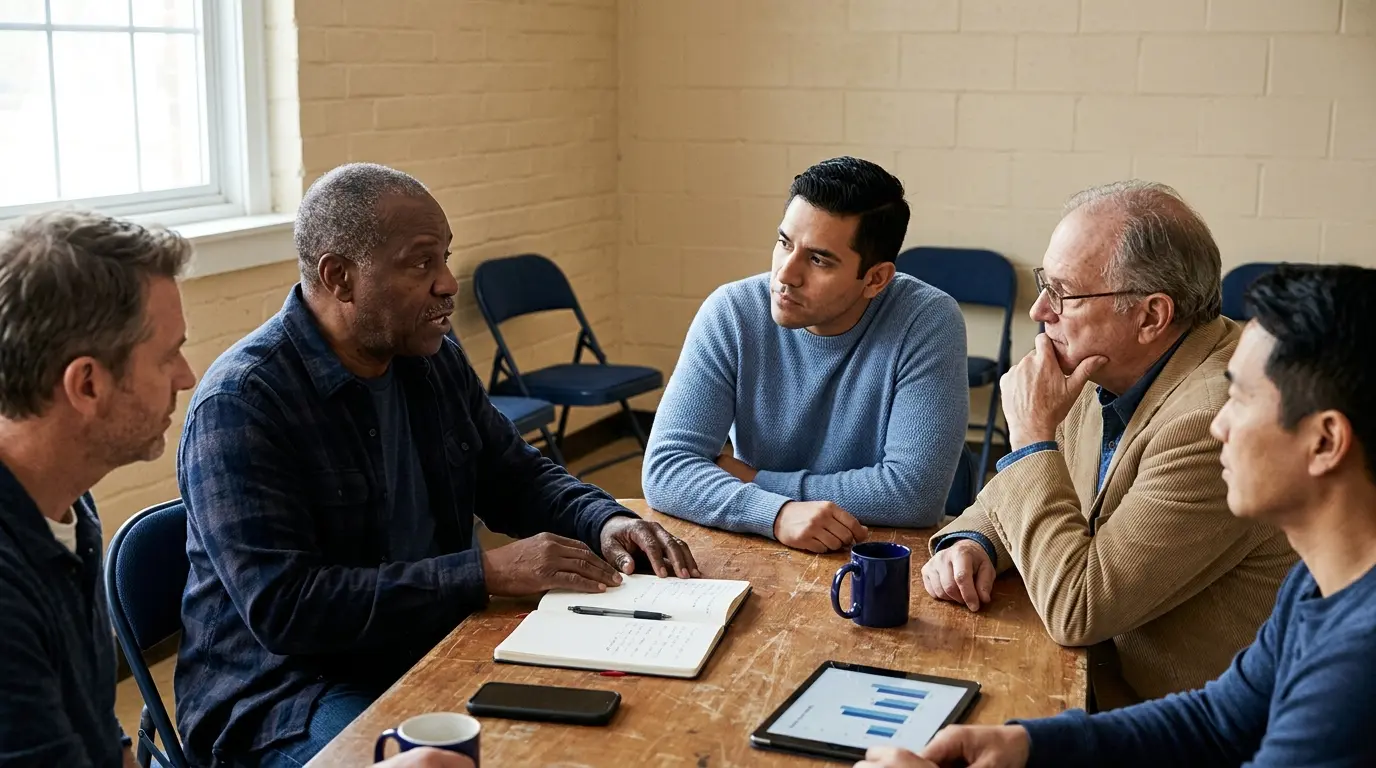
When a community organizer in Anaheim Hills asked a skeptical retiree how polarization had touched his life, he ended up talking for thirty minutes about a family member he hadn’t spoken to since 2020, and asked her to come back. Across America, six community initiatives are proving that genuine listening, not political persuasion, is the most powerful tool for bridging the divide.
What personal biases should we recognize to improve dialogue across divides?
When political conversations turn tense, our first instinct is to blame the other person, their stubbornness, their bad sources, their closed mind. But research shows that the most powerful shift we can make is turning the lens inward, because the biases quietly sabotaging cross-divide dialogue are ones we all share.